







FANTASTIC BEASTS
In an era of uncertainty where the future of life on Earth is precarious Fantastic Beasts explores the fragile relationship between humanity and its environment.
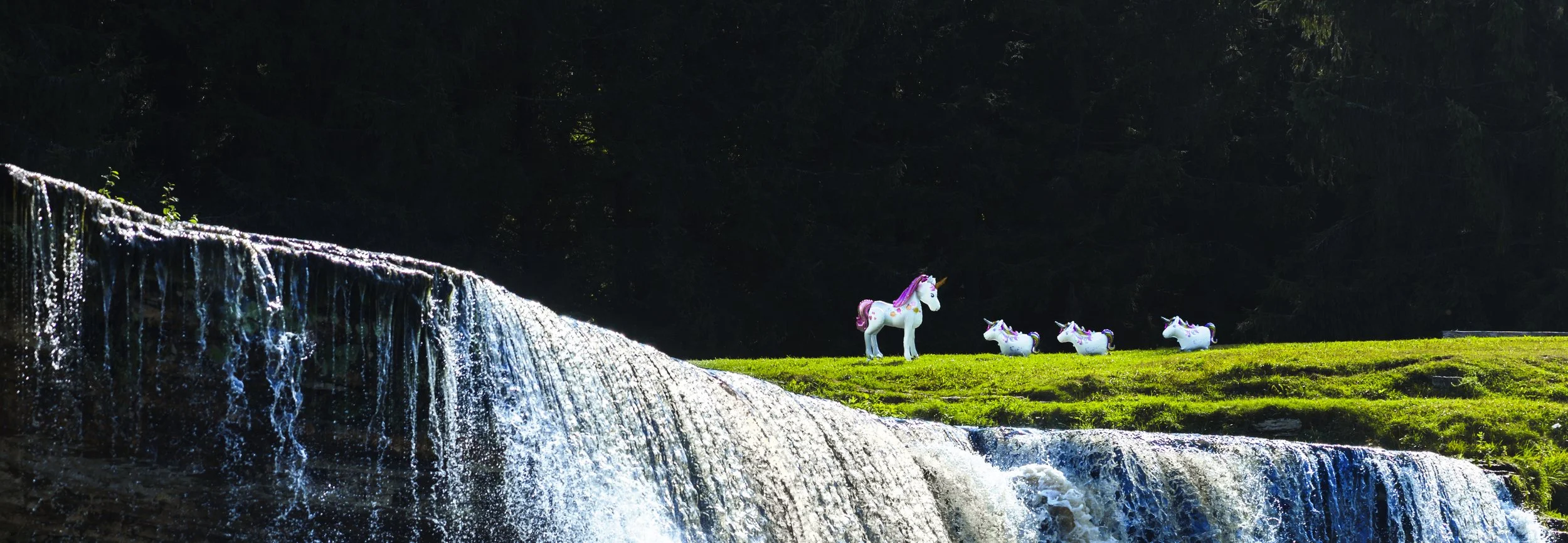
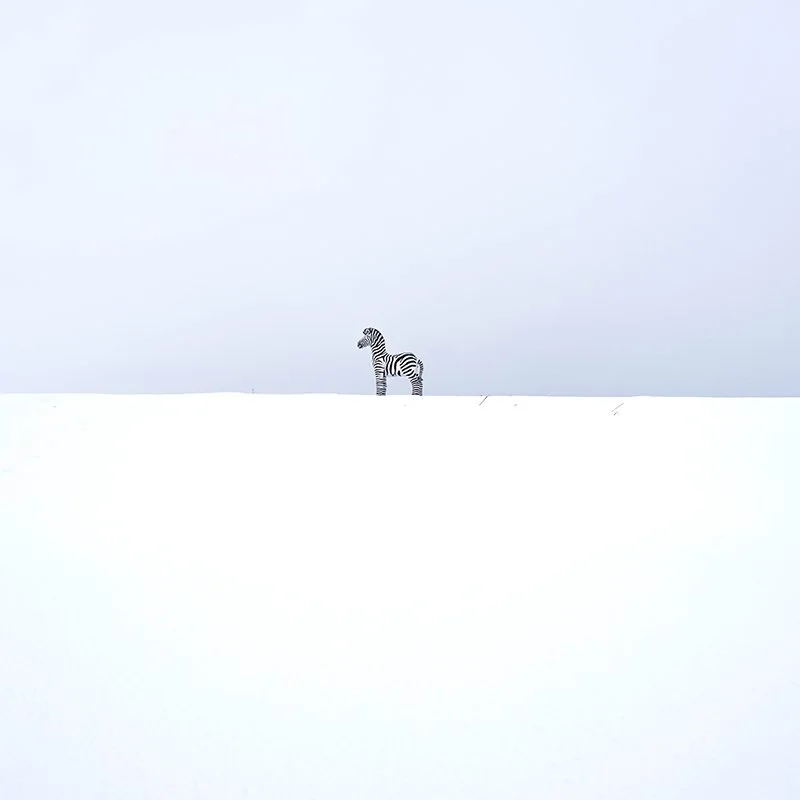
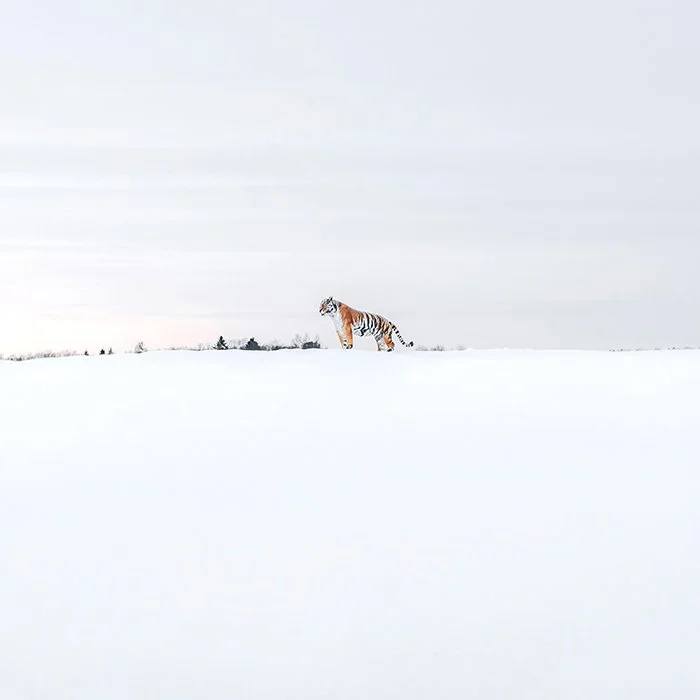
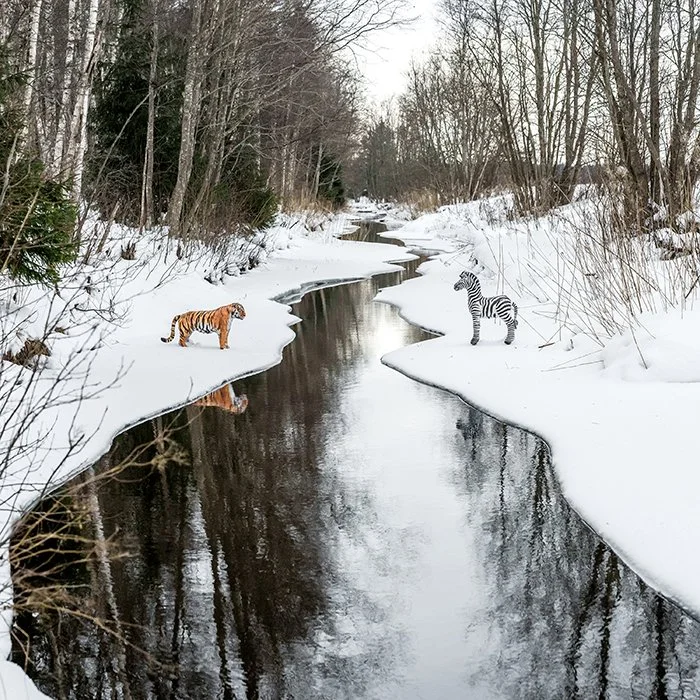
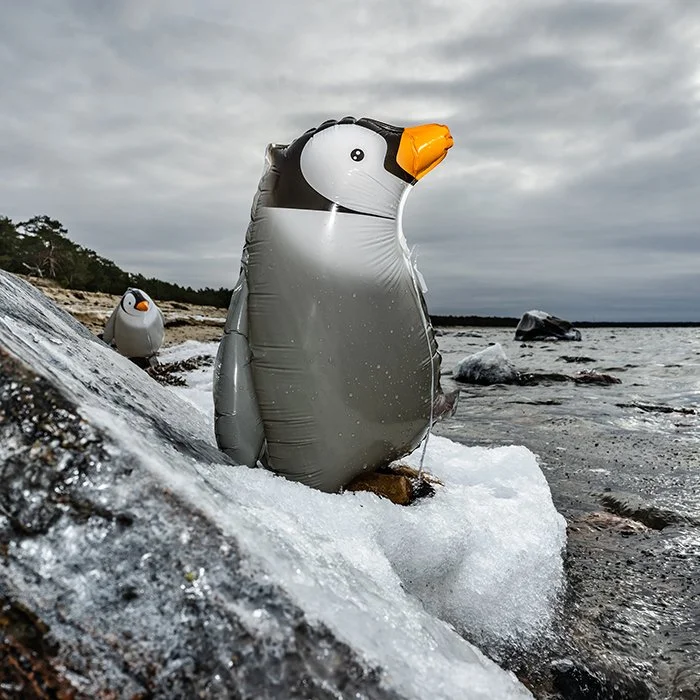
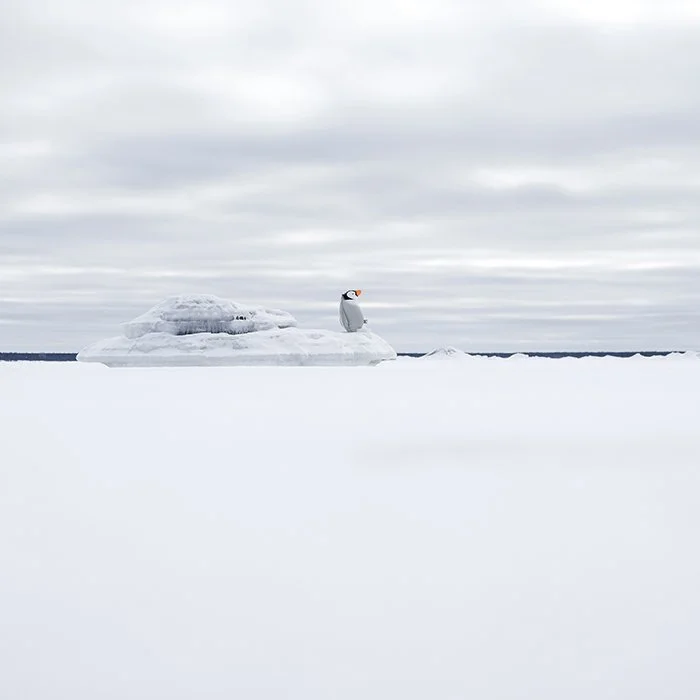
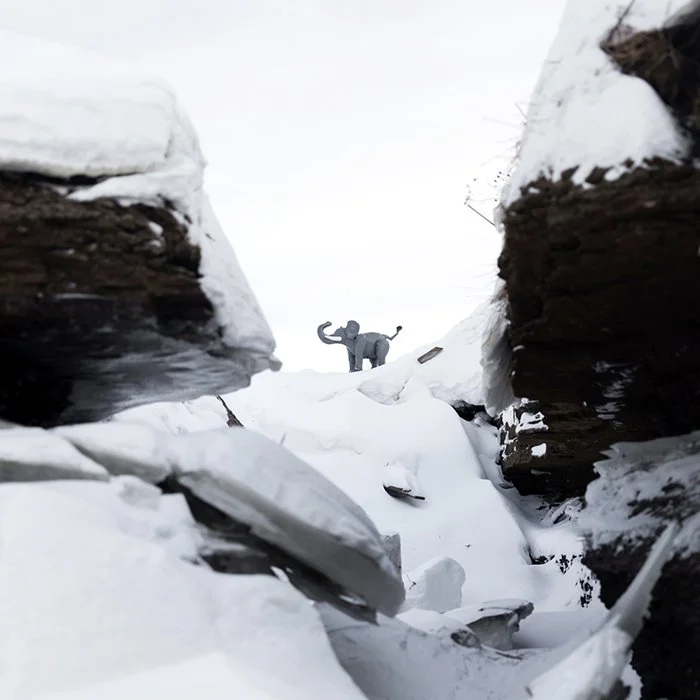
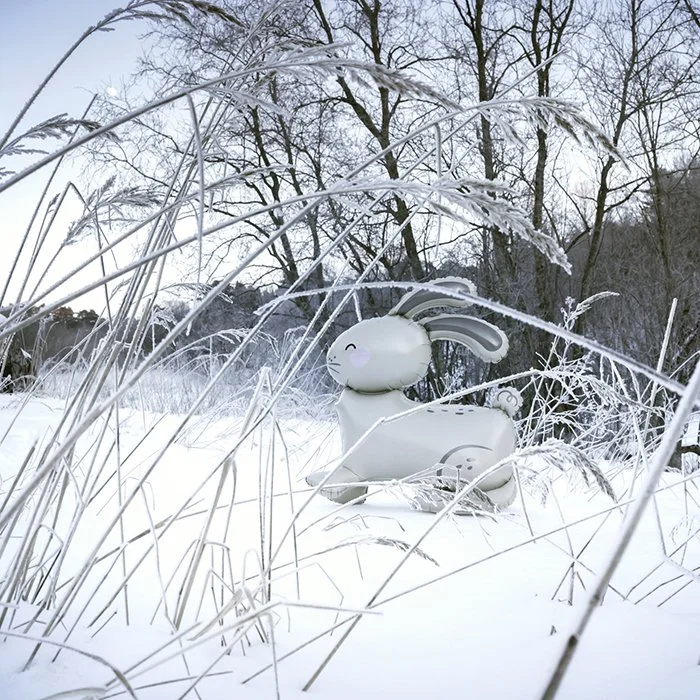
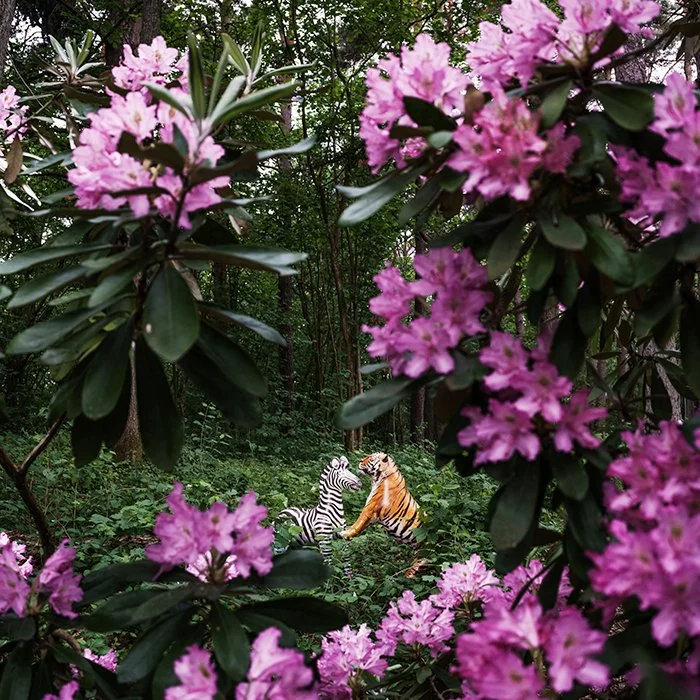
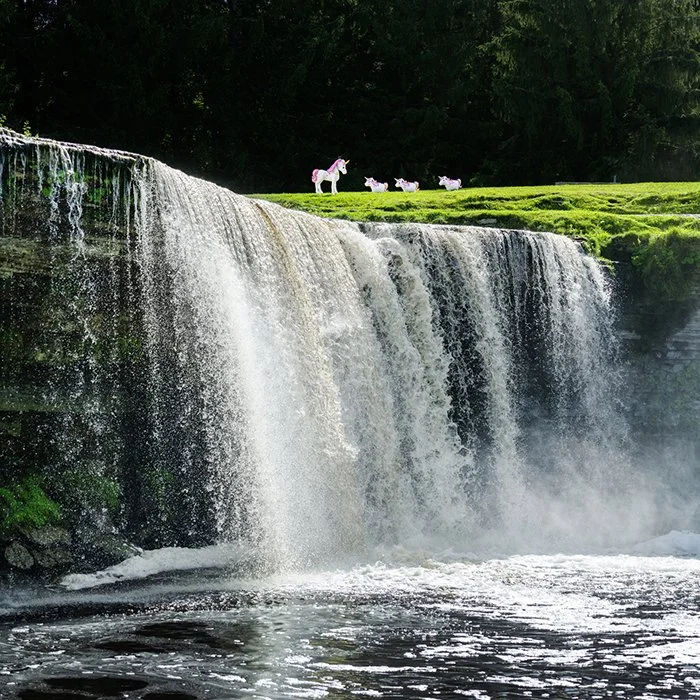
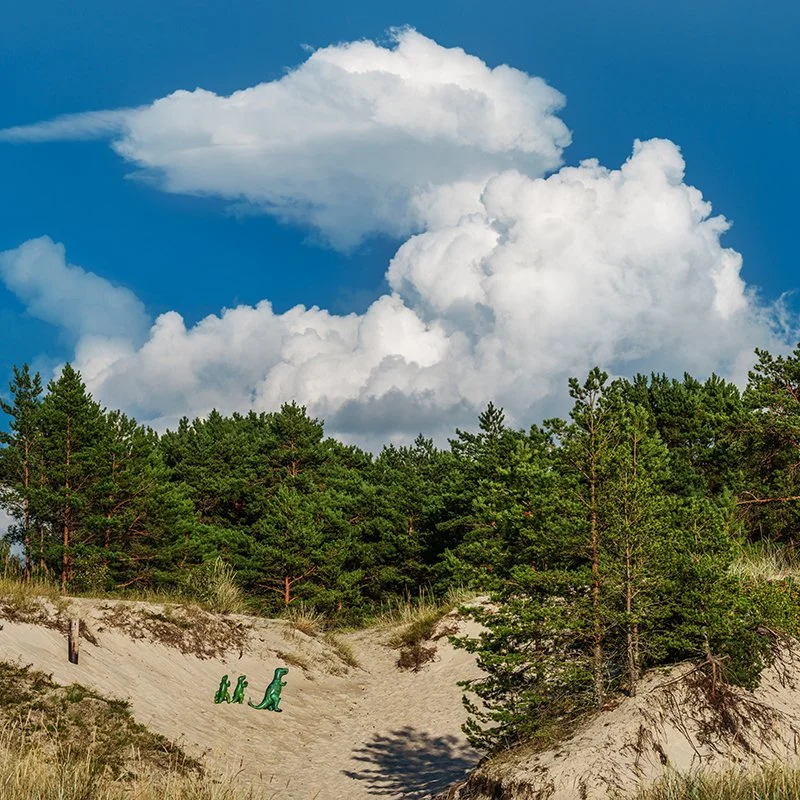
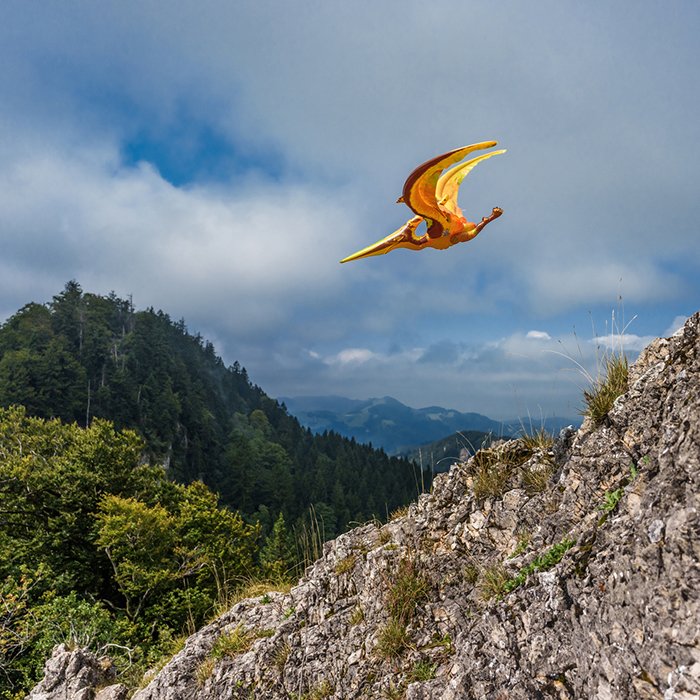
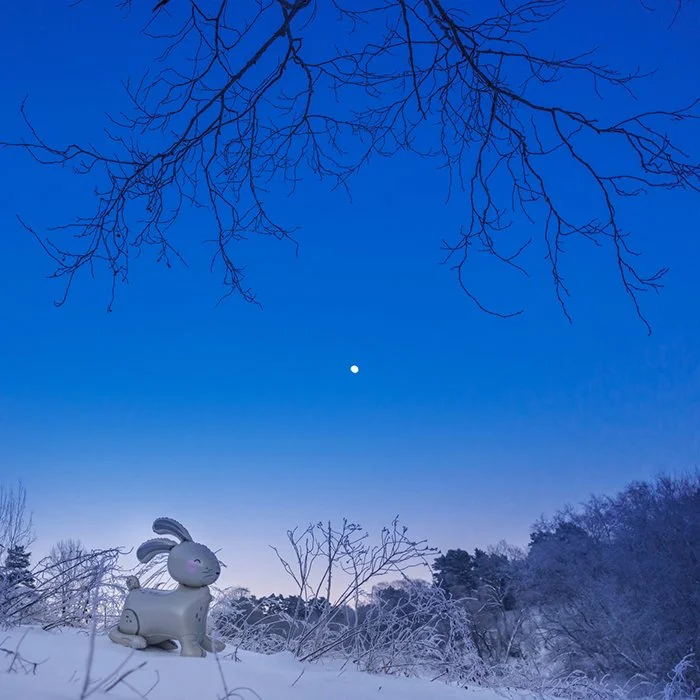
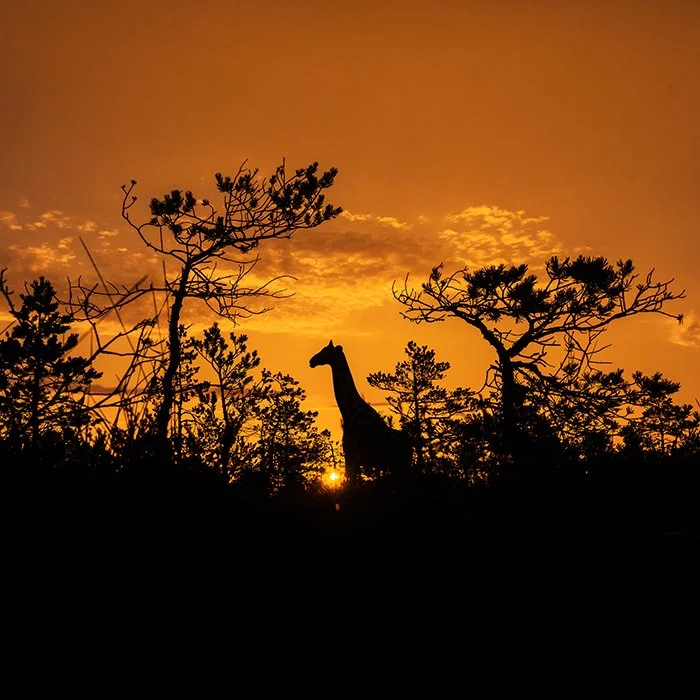
The project envisions a world where animals exist only as inflatable forms - whimsical, yet haunting reminders of what might remain if humanity continues on its current trajectory.
This imagined reality touches on pressing global issues: wars, climate change, droughts, diseases, and the existential question of journey to the Space.
The artificiality of inflatable creatures mirrors the precariousness of our own existence, raising questions about sustainability, loss, and the illusions we create to cope with an uncertain future.
The concept of "puffiness" becomes a multifaceted metaphor.
On one level it addresses environmental concerns such as plastic waste and its unintended consequences, like balloons found adrift in the ocean. On another it reflects the illusory nature of modern life: the pursuit of external glamour masking inner emptiness, the fleeting promises of politicians and the fragility of financial systems. This duality invites viewers to consider the tension between surface - level appearances and deeper truths.
At the same time, the playful balloon-like forms serve as a bridge to childhood nostalgia, inviting viewers to pause, reflect and reconnect with themselves.
This interplay between the fantastical and the critical encourages a leap between dreams and reality, challenging us to question the nature of our world and the impact of our actions on its future.
Through a blend of fairy tale charm and deeper philosophical reflections, Fantastic Beasts provokes dialogue about the illusions we live by and the legacy we leave behind.
—
Curator’s statement /
The Fantastic Beasts series really work not just because of the idea itself - inflatable animals placed in a landscape almost sounds like a joke. What makes these photographs convincing is how they are made and where they exist.
The images read as documentary. Calm, unforced, almost indifferent to composition, sometimes as if the camera simply happened to be there and recorded what was in front of it. Because of that you believe them at first. Only afterwards does doubt begin to creep in, what is it in reality.
A lot depends on the setting. Inside the landscapes Golovkin chosed, the inflatable figures don’t feel like an intrusion. They seem, strangely, to belong. And that’s where the shift happens: not an interruption of reality, but a quiet almost natural presence of something impossible.
There’s also a simple, almost physical contrast between the temporary and the permanent. The inflatable object - something tied to childhood, memories, leisure, and fragility, set against a landscape that feels older than history, older than the image itself.
Scale plays its part as well. It’s not always immediately clear how large these figures are or how far away they sit. The space feels slightly off, just enough to create a sense of unreal real.
In the end, the photographs rely on something very simple: they feel like evidence. As if something actually happened - just in a world that almost matches our own, but not entirely.
/